
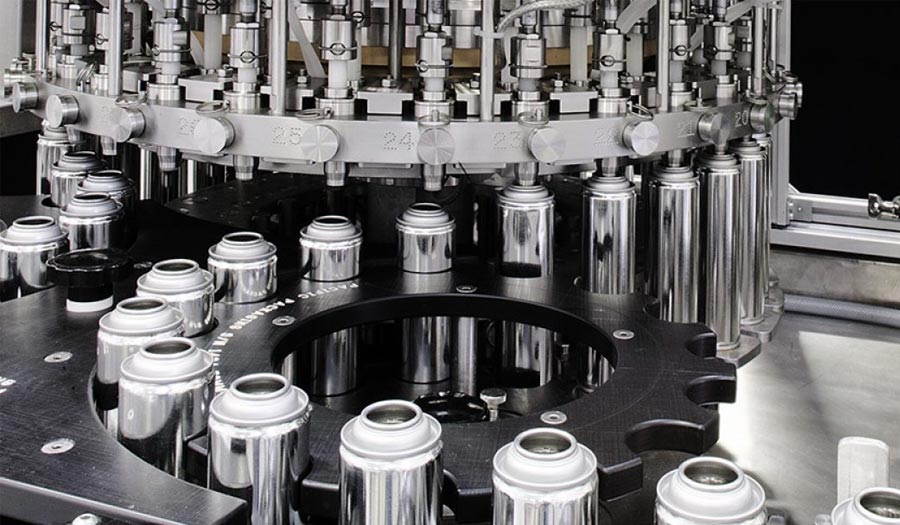
Cutting-Edge Can Filling Technology: Trends to Watch in 2025
In 2025, beverage manufacturers are pushing the envelope in can filling technology, driven by demands for higher speed, precision, flexibility, and sustainability. Innovation is happening fast— well-known companies like Nanjing F&P, KHS and Krones are introducing new machines and upgrades that reshape expectations for canning lines.
Hi-Speed Performance and Precision
One major leap is the rise of high-speed can filling machines capable of handling tens of thousands of cans per hour without compromising fill accuracy. For example, new Can Compact lines supports up to ~40,000 cans per hour in low-to-medium speed segments, offering premium performance in less factory space. Counter-Pressure System also showcases dual fill heads and automatic format changeover, enabling producers to scale output while maintaining consistency. Precision is enhanced by flow meters, servo-controlled valves, and automated monitoring of fill levels—especially critical for carbonated drinks and beverages sensitive to dosage and oxygen exposure.
Flexibility & Smart Automation
Flexibility is now central to newer canning lines. Machines are offered in modular architectures that allow fast product format switches, minimal downtime, and compatibility with various closure types. Some next-gen filler available at Drinktec 2025 includes a tool-less format change system that handles glass, cans, or plastic bottles with the same neck finish. New smart automation like IoT monitoring, predictive maintenance, and AI-assisted HMI dashboards help reduce unexpected stoppages. These features also improve quality assurance by spotting issues early—leaks, fill inconsistencies, or defects in cans.
Sustainability & Hygiene Improvements
Manufacturers are redesigning can filling machinery for greener performance. Producers are looking for equipment that uses less water and power, reduces waste, and supports recyclable materials. Can Compact line emphasizes throughput per footprint, giving producers excellent output without large energy or space costs. Another trend is hygiene-oriented design: improved Clean-In-Place (CIP) systems, smooth contact surfaces, reduced dead zones, and better sealing materials that resist wear, cleaning, and corrosion. New aseptic isolator design also improves cleanability, safety, and maintenance access.
Why This Matters for Beverage Brands & Filling Line Makers
For beverage brands, the implications are clear. Faster time to market, lower operating costs, higher product quality, and stronger brand image when using cans. For manufacturers of can filling lines—like F&P Packaging Machinery—these trends represent both challenges and opportunities. By integrating high-speed precision, smart automation, hygienic design, and sustainable operations into your can filling lines, you can meet evolving regulatory requirements and consumer expectations.
At F&P, we are aligning our product roadmap to deliver can filling machines with:
- Quick format changeovers
- High precision fill valves and flow control
- Advanced hygiene and sealing systems
- Smart monitoring & predictive maintenance